Fasting refers to willful restriction of eating food. The practice of fasting during festive occasions has been an age old traditional ritual of India. It is considered to be a sense of gratitude towards the Deity.
There are many other health benefits of fasting too.
It gives ample time for our body to heal and restore our immune system. Fasting is also an ideal way to detox your body & mind. It helps enhance the digestion process and increase the positivity around you.
Though the process of fasting and the restrictions on the foods to consume varies in various communities according to their belief and rituals. For example, grains (anaaj) such as rice & wheat and legumes & lentils (dal) are prohibited during Navratri in North India, while Sundal made with various dal and legumes is a popular Navratri dish or neivedyam in South India.
A few things that remain same during most of Indian fasting process is to restrict the use of alcohol, onion, garlic and non-vegetarian dishes. People following fasting should consume satvik diet.
Food restrictions differ according to communities and their belief and rituals.
Here is a general list of foods to be included and to avoid during Navratri in North India.
Food to include;
Grains – Minor millets such as Barnyard, foxtail, Little, kodo millet (sama/samai/sanwa/thinnai etc.) as these are technically seeds and make a good fasting food. Buckwheat flour (kuttu ka atta), chestnut flour (singhare ka atta), amaranth (rajgira) flour.
Nuts – All kinds of nuts and dry fruits can be consumed during the fast. Almonds, cashews, peanuts, walnuts, raisins, pistachio.
Spices & herbs – Rock salt, black salt, cumin, cardamom, cinnamon, cloves, lemon, black pepper, green chilly, ajwain, amchoor.
Vegetables – Root vegetables such as potato, yam, arbi and sweet potato (shakkar kand).
Tomato, bottle gourd (lauki), raw papaya, pumpkin.
Others – rock salt, (sendha namak), most of dairy products (milk, curd), all fruits, coconut, sugar, jaggery, sabudana, ghee and groundnut oil.
Vegetables – Onion, garlic, Brinjal, okra, green vegetables,
Some Pointers
Including slow carb foods with low GI which digest slowly and does not release energy instantly is good option during fasting.
Slow carb foods (such as minor millet) can help you keep fuller for longer as they take longer to digest than simple car foods (polished white rice).
High GI food will release energy quickly and you may feel hungry soon.
Slow carb food also contains a lot of fibre and many other important vitamins and minerals like iron and magnesium.
Include food with complex carbs (minor millets, buckwheat) and combine it with various fruits and vegetables for extra dose of vitamin, antioxidants and protein.
Avoid refined sugar, too much of coffee/tea.
Keep yourself well hydrated with just lain water or lemon juice/buttermilk.
Fasting is a great way to heal your body and restore your immune system!
OGMO Food references during Fasting period
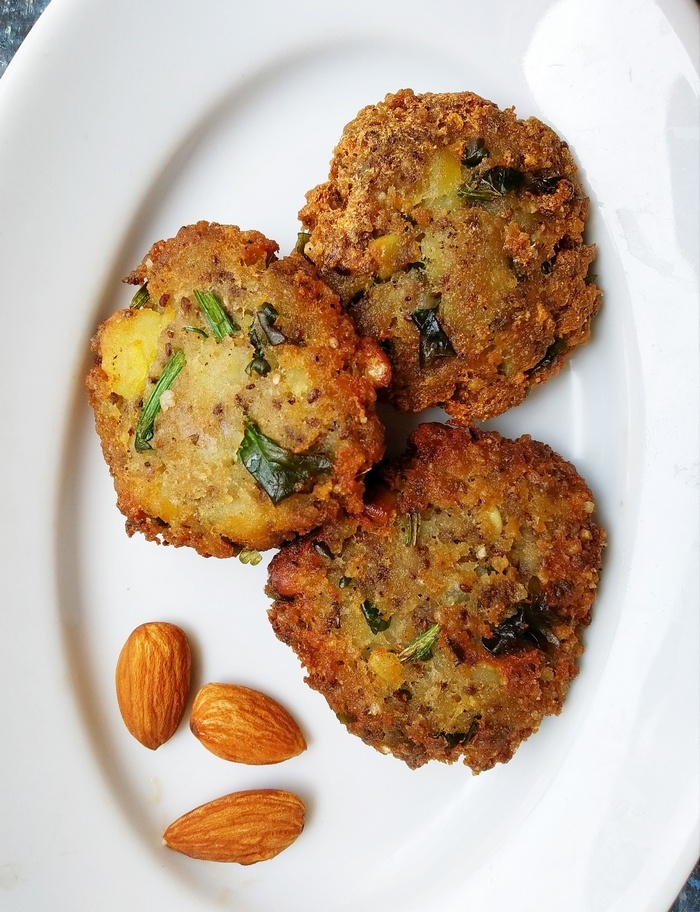
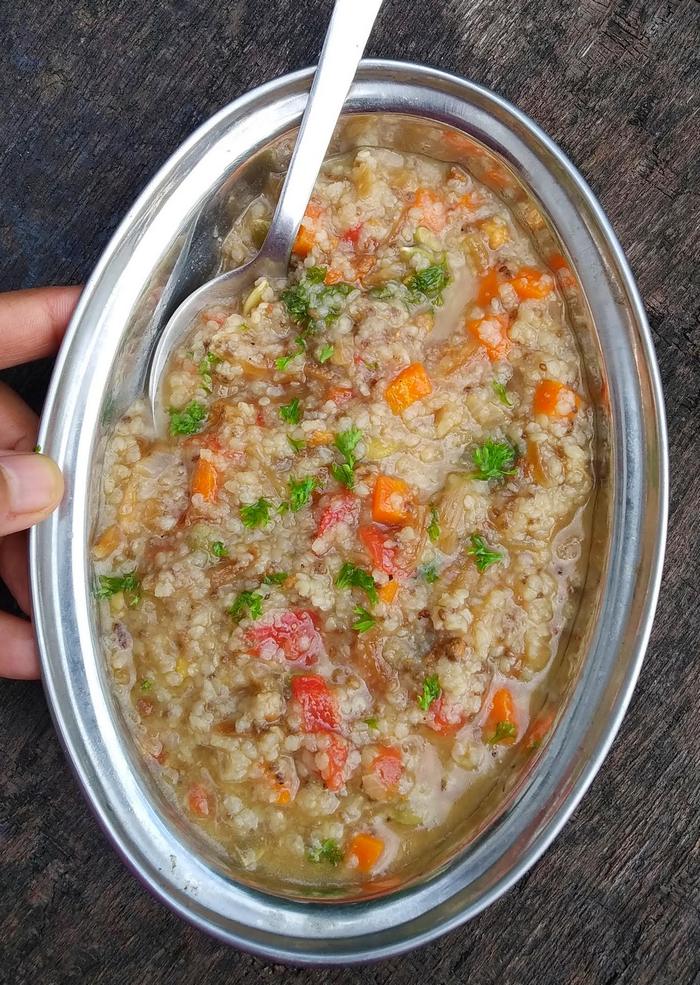
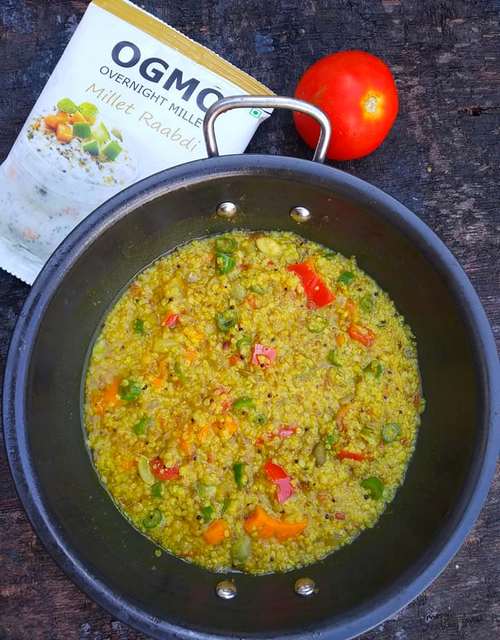
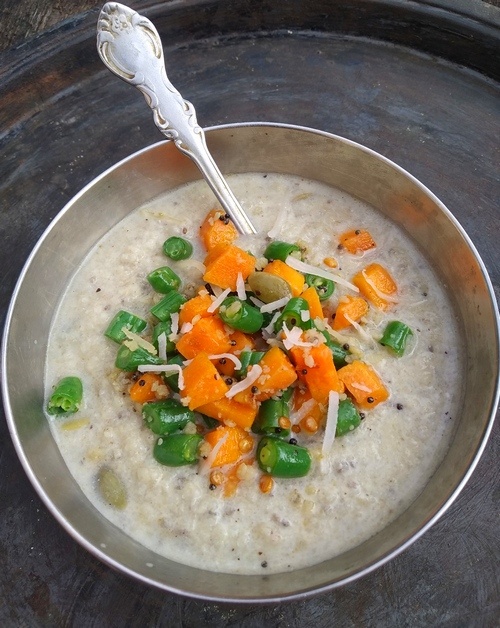
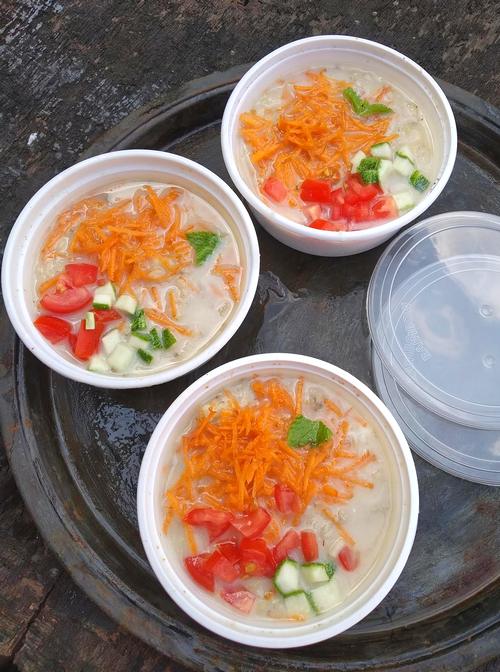
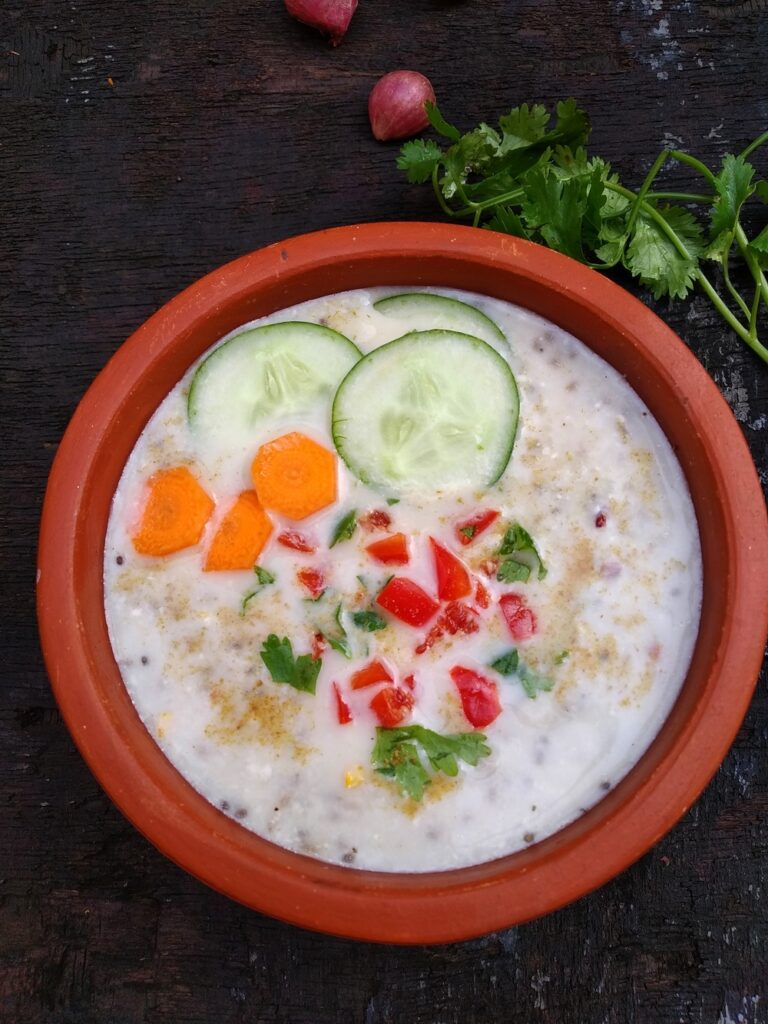
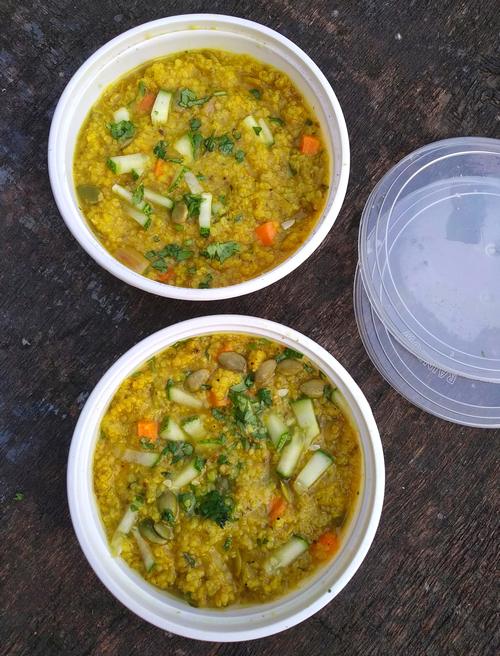
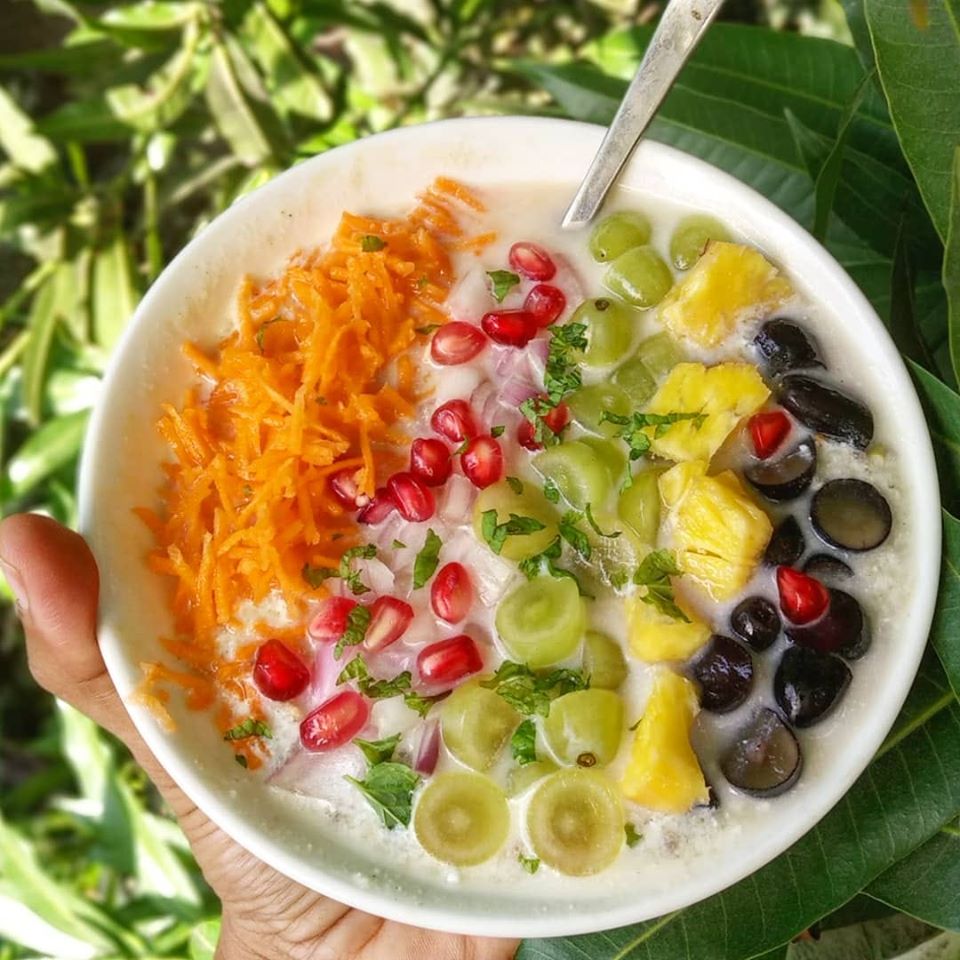
Millet Raabdi is a perfect way to make various fasting dishes. It has minor millet flakes, cumin, pepper, pink rock salt and super seeds for extra nutrition during fasting period.
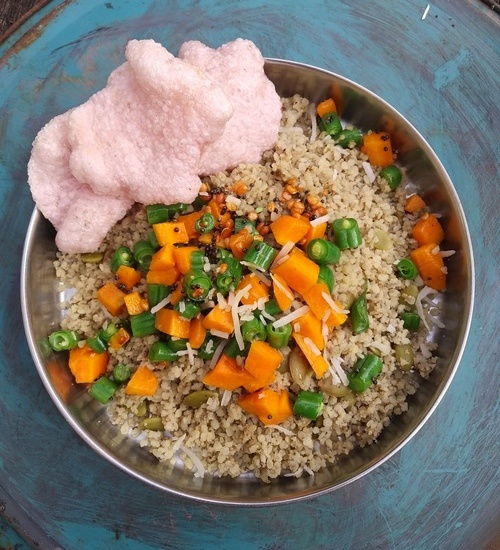
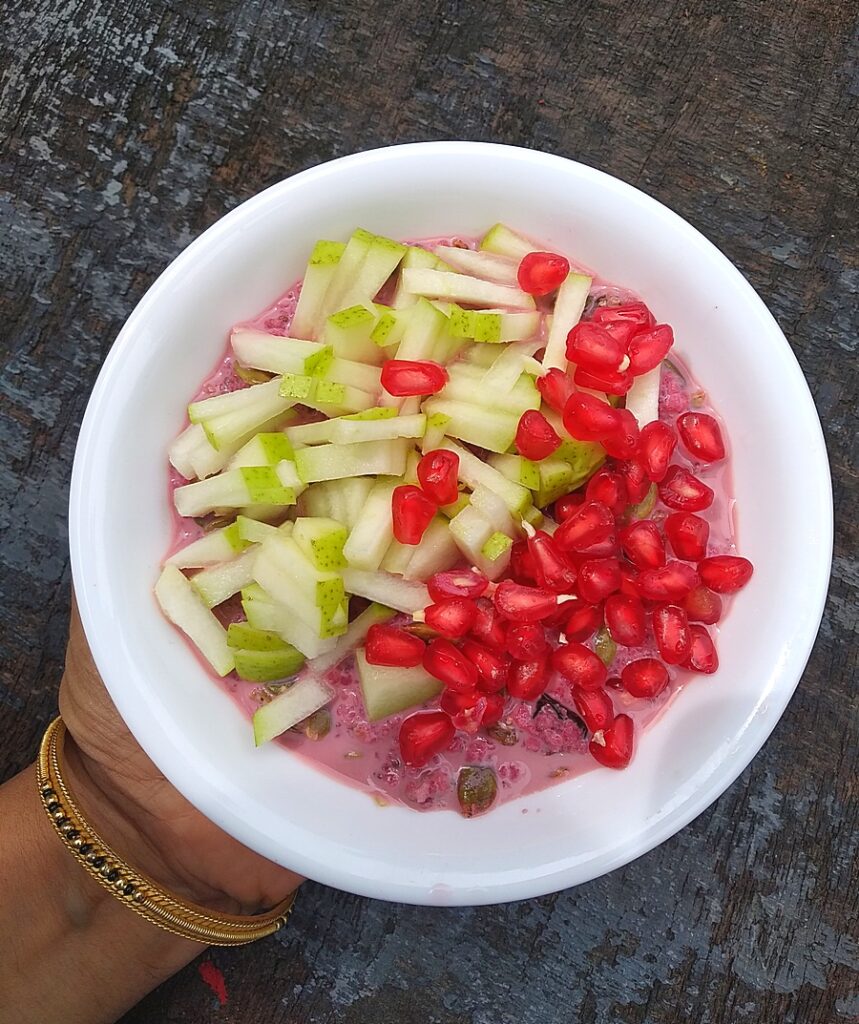
Beet Raisin with Barnyard millet (sanwa) can be eaten with fruits and more nuts to keep you fit and full of energy during the day.
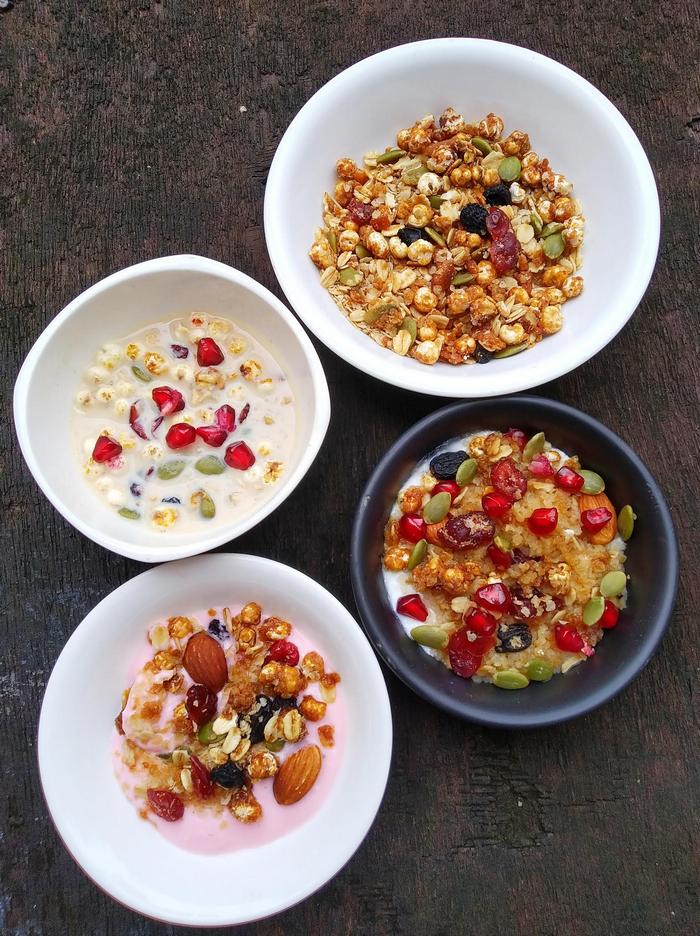
OGMO Barnyard millet granola can be eaten without cooking and makes a perfect snack or breakfast option.
Do check OGMO YouTube channel for many more recipes at;